How Experienced Players Approach Bridge Games
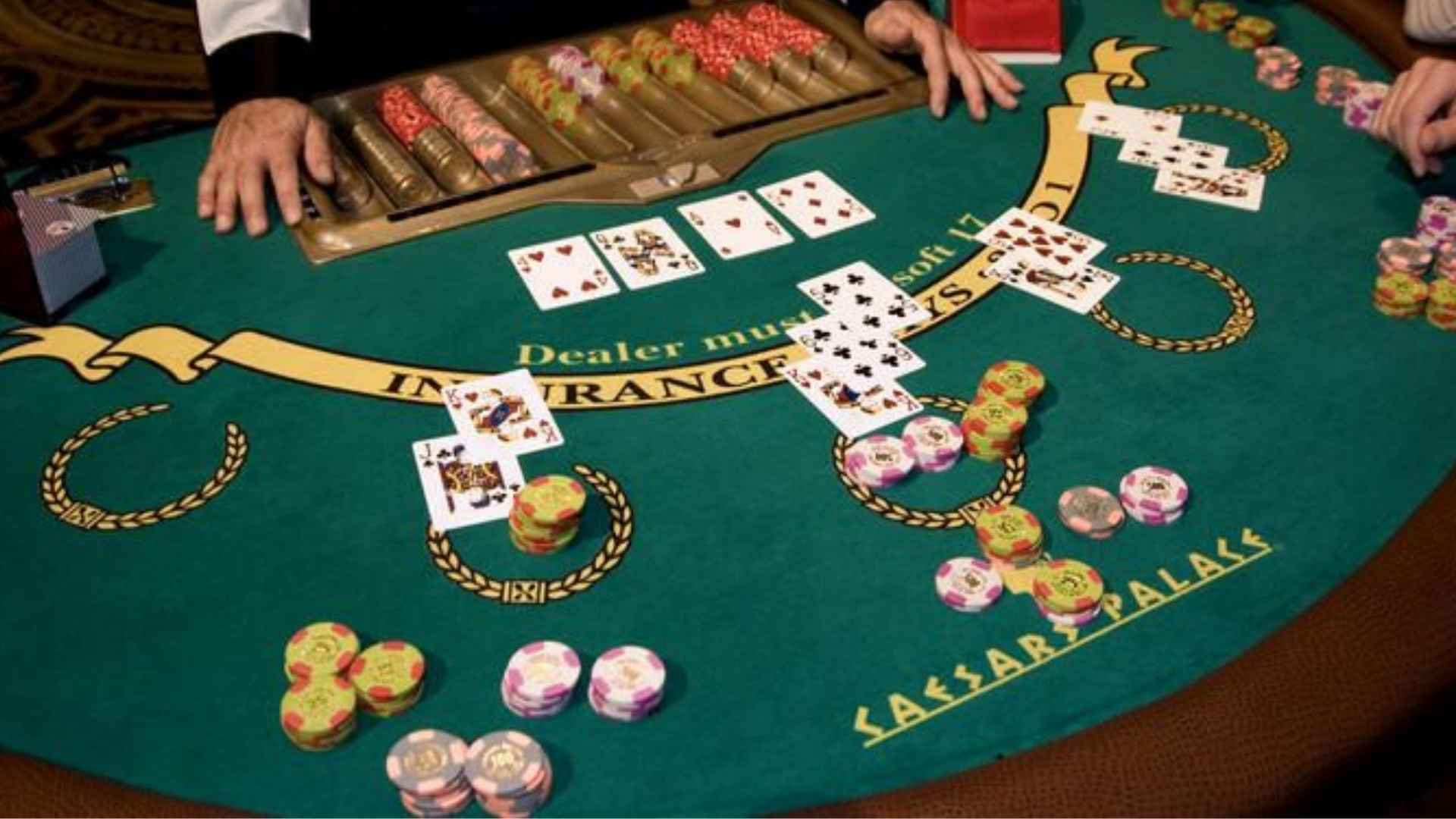
Experienced players view the card game of bridge not as a matter of luck, but as a complex intellectual battleground of information exchange and deduction. To reach the top tiers of competitive play, veteran participants look far beyond their own high card points and focus on predicting their opponents' distribution. Understanding the deep cognitive processes of seasoned players can help aspiring competitors improve their own approach to the table.
Advanced Information Gathering During Bidding
For a veteran, the auction phase is not merely a search for a contract, but a legal map to locate the positions of high cards and suit lengths. Every bid made or passed by the opponents is carefully stored in memory to build a mental picture of the table. This complete assessment allows experienced competitors to predict defensive layouts before a single card is played.
Many analytical players use specialized cognitive exercises and platforms like M88id to keep their strategic decision-making sharp under match pressure. Recognizing the hidden meaning behind subtle bidding choices is what separates advanced players from intermediates. By analyzing what the opponents did not bid, experts can confidently locate specific aces and kings.
Mastering the Psychology of Table Defense
Defensive play is often considered the true test of a bridge player's expertise because it requires operating with limited information. Experienced defenders communicate flawlessly with their partners using structured carding signals and discard priorities. They avoid passive leads that might gift easy tricks to the declarer, opting instead for calculated attacks.
A seasoned defender always watches the tempo of the play to spot hesitation or confidence in the declarer's actions. This mental vigilance prevents them from falling into deceptive traps designed to waste their high cards. Through steady partnerships, players learn to rely on each other's signals to defeat even the most difficult contracts.
Developing a Dynamic Declarer Blueprint
When playing as the declarer, an expert immediately pauses after the opening lead to formulate a comprehensive strategy for all thirteen tricks. Rushing to play the first card from the dummy is a common mistake that veterans successfully avoid. Instead, they count potential losers and identify the safest entries to manage both hands fluidly.
The best declarers consistently visualize the worst possible card distributions rather than hoping for friendly splits. This proactive mindset helps them develop alternative safety plays to protect their contract from sudden bad breaks. By keeping their focus on long-term probabilities, they secure consistent victories at tournaments.